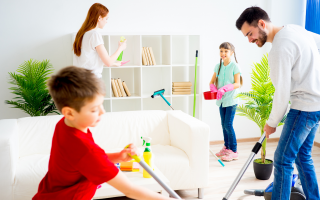

New parents often find themselves overwhelmed by the task of baby-proofing their homes, questioning how to create a safe environment without breaking the bank. Budget-friendly solutions exist that can effectively safeguard a household against common safety hazards. Simple adjustments to furniture, the use of household items, and strategic planning can significantly reduce risks.
Parents can start by assessing their living space for potential dangers. Everyday items such as corner protectors and outlet covers can be purchased cheaply, making them accessible even for those on a tight budget. Investing time in DIY projects, like securing furniture to the wall or creating a designated play area, can also promote safety while minimizing expenses.
Making a home safe for a baby doesn’t have to mean expensive gadgets or extensive renovations. Effective baby-proofing focuses on practical changes that ensure peace of mind. Parents will find that thoughtful, low-cost solutions can provide the security they seek for their little ones.
Essential Baby-Proofing on a Budget
Implementing effective baby-proofing measures doesn’t have to be expensive. By prioritizing key safety features and using common household items, one can make significant strides in ensuring child safety without overspending.
Prioritizing Child Safety
Safety should be the primary concern when baby-proofing a home. Focus on high-risk areas such as the kitchen, living room, and bathroom.
Key Safety Areas:
- Kitchen: Secure cabinets and drawers, and use stove knob covers.
- Living Room: Anchor furniture to the walls to prevent tipping.
- Bathroom: Install toilet locks and store harmful substances out of reach.
Prioritizing these areas ensures that the most common hazards are addressed first, creating a safer environment for children.
Baby Proofing Checklist
A thorough checklist can ensure nothing important is overlooked. Here’s a simplified version to guide the process:
| Area | Safety Measure |
| Entrance | Install baby gates to restrict access. |
| Electrical | Use outlet covers to prevent shocks. |
| Furniture | Use corner guards to soften sharp edges. |
| Toys | Regularly check for safety recalls. |
This checklist provides essential steps aimed at keeping children safe. By systematically reviewing each area, one can mark off tasks as they are completed.
Identifying Potential Hazards
Recognizing potential hazards is crucial in baby-proofing. Items often overlooked can pose significant risks.
Common Hazards:
- Choking Risks: Small toys and household items should be kept out of reach.
- Sharp Objects: Knives and scissors need to be stored securely.
- Heavy Items: Ensure that bookshelves and heavy furniture are anchored.
Regular inspection of the home for these hazards helps in maintaining a safe space for children. Awareness is key to effective baby-proofing.
Low-Cost Solutions for Common Problem Areas
Home safety for babies can be achieved through simple, cost-effective measures. Addressing electrical outlets, cabinet locks, and securing doors and windows can prevent accidents and create a safer environment.
Securing Electrical Outlets and Cords
To secure electrical outlets, installing outlet covers is essential. These can be purchased cheaply in packs and fit snugly over the outlet openings, preventing curious little fingers from making contact. For areas where cords are exposed, consider using cord organizers or simple duct tape to secure cords against the wall. This reduces the risk of tripping and minimizes access to potentially harmful electrical connections.
A practical tip includes using furniture to block access to outlets. By placing furniture strategically, outlets can be made less accessible. Always check that common areas, like living rooms and nurseries, have covered outlets and neatly tucked cords.
Affordable Cabinet and Drawer Locks
Magnetic locks are a viable option for securing cabinets with minimal expense. These locks require a special key for access, keeping harmful substances or sharp objects out of reach. Installation is generally straightforward, often involving just a few screws.
For drawers, opt for childproof locks that can be attached without tools. These locks are easy to install and remove, making them a versatile choice for parents.
Using locked cabinets for cleaning supplies and sharp tools can significantly enhance home safety. It is advisable for parents to designate specific areas in the home for hazardous items, ensuring locked access.
Simple Tips to Baby-Proof Doors and Windows
Installing doorknob covers on doors can prevent toddlers from wandering outside unsupervised. These covers make it difficult for small hands to grip and open the door. Adopting a dual approach by adding a safety lock at the top of the door can offer additional security.
For windows, utilizing window guards can restrict access to open windows. This is especially critical on higher floors. Simple window treatments, such as curtains, not only provide privacy but can also help restrict window operation.
Parents should conduct regular safety checks to ensure all locks and covers remain functional and secure. Effective baby-proofing involves ongoing attention to potential hazards around doors and windows.
Creative and DIY Baby-Proofing Ideas
Taking a creative approach to baby-proofing can make a significant difference in ensuring a safe environment. Implementing cost-effective solutions allows for effective safety measures without breaking the bank. The following ideas focus on furniture protection, creating barriers, bathroom safety, and minimizing choking hazards.
Furniture and Sharp Edge Protection
Secure furniture by anchoring heavy items to the wall using furniture straps. This prevents tipping in case of climbing. Furthermore, sharp corners can be covered with corner guards made from soft materials, which are readily available at hardware stores.
For a DIY option, pool noodles can be cut and affixed to the edges with adhesive. This method provides cushioning that protects little ones from injuries. It’s an inexpensive alternative that offers peace of mind.
Budget-Friendly Stair and Room Barriers
To prevent falls, budget-friendly safety gates can be easily installed at stairs and doorways. Adjustable baby gates come in various sizes and can be custom-fitted to different entry points.
Alternatively, a makeshift barrier can be constructed using furniture or storage boxes. Placing furniture strategically can create a child-safe area without additional purchases. Using hair ties to hold door handles closed is another clever trick to prevent children from wandering.
Innovative Bathroom Safety Tips
Bathrooms require unique safety measures. Installing toilet locks can prevent toddlers from accessing potentially harmful areas. These locks are easy to fit and offer a simple solution to an essential safety issue.
Additionally, spout covers can be used to guard against accidental burns from hot water. Non-skid socks can also be a practical addition to prevent slips on wet floors. These methods are effective yet economical ways to ensure bathroom safety.
Minimizing Choking and Hidden Hazards
Choking hazards can often be overlooked. To minimize risks, store small toys and items out of reach, ensuring they do not pose a danger. Use transparent storage boxes to keep hazardous materials visible yet inaccessible.
Keep band-aids accessible in case of minor injuries from falls. In kitchens, stove knob covers can prevent children from turning on burners. Non-slip pads under rugs can further enhance safety by preventing the rugs from sliding, eliminating additional trip hazards.