
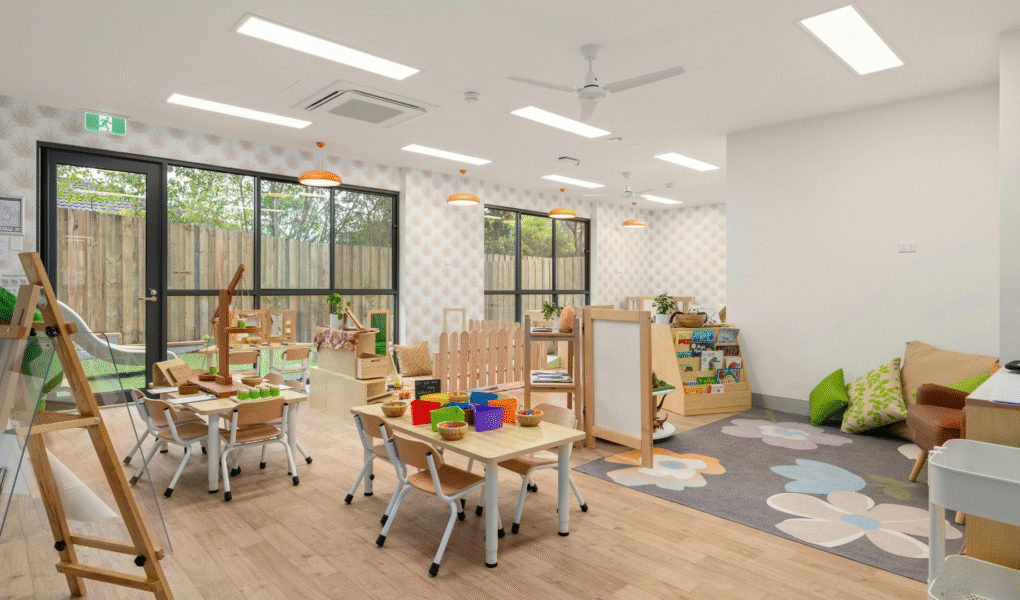
Designing a nursery that balances functionality with style is essential for creating a welcoming environment for both parent and child. A well-planned nursery optimizes space and includes key elements like ample storage, comfortable seating, and thoughtful decor, ensuring it meets both practical needs and aesthetic preferences. With the right inspiration, anyone can transform a simple room into a nurturing space that reflects personal style.
Incorporating multifunctional furniture is a smart approach to maximize space while maintaining a chic look. Choosing items such as cribs that convert into toddler beds or changing tables with built-in storage can enhance the room’s utility. Thoughtful selection of colors and patterns can also set the tone for the nursery, making it a stylish retreat.
Accessories and decor play a crucial role in enhancing the design of the nursery. Items like wall art, rugs, and textiles can add personality and warmth while maintaining a cohesive theme. By combining function with style, a nursery can become not just a place for rest but also a space that inspires creativity and comfort.
Establishing A Functional Nursery Layout
A well-planned layout makes a significant difference in the functionality of a nursery. Key steps include optimizing space efficiency, selecting appropriate furniture, and incorporating effective storage solutions.
Optimizing Room Layout For Efficiency
Positioning key furniture pieces optimally ensures smooth movement around the room. Place the convertible crib away from drafts and establish proximity to the changing table for convenience during diaper changes.
Creating zones is essential. Designate areas for sleeping, changing, and play. This allows caregivers to transition smoothly between activities. Avoid overcrowding by ensuring ample walking space.
Consider utilizing wall space for shelving or hooks to display items or keep toys organized. Aim for a layout that promotes safety and eases accessibility for both adults and children.
Selecting Functional Furniture
Choosing multifunctional furniture is crucial in a nursery. A changing table that doubles as a dresser maximizes storage without requiring extra floor space. Look for a bassinet that can transition into a crib, accommodating growth stages.
Incorporate chairs that are comfortable for feeding but also provide storage options, such as built-in shelves.
Select materials that are easy to clean and durable. Furniture should be thoughtfully designed to grow with the child, offering longevity and reducing the need for frequent replacements.
Incorporating Smart Storage Solutions
An effective organization is key to maintaining a tidy nursery. Implement smart storage solutions like under-crib drawers for stowing away blankets or clothing.
Use baskets or bins on shelves to store toys, and label them for easy access. Vertical storage options, such as wall-mounted shelves, can hold books and decorative items without clutter.
Consider foldable or stackable storage options for flexibility. This enables easy cleaning and encourages maintaining order, helping ensure that everything has its designated spot in the nursery.
Balancing Style And Comfort
Creating a nursery that combines style and comfort involves thoughtful design choices. Key elements include a cohesive color palette, the use of soft textiles, and personalized decor, all of which contribute to a functional yet aesthetically pleasing space.
Choosing A Cohesive Color Palette
A cohesive color palette sets the foundation for a nursery’s style. Neutral color schemes, such as soft grays, beiges, or muted pastels, offer versatility and tranquility.
Tips for Choosing Colors:
- Main Color: Select a neutral tone as the base for walls and larger furniture.
- Accent Colors: Incorporate 2-3 accent colors through decor, creating visual interest without overwhelming the space.
- Wall Decals: Simple geometric patterns or nature-themed decals add personality while maintaining the overall look.
This strategy not only provides a soothing environment but also allows for easy updates as tastes evolve.
Layering Textiles For Softness
Layering textiles enhances both comfort and style in a nursery. Soft textiles like area rugs, cushions, and blankets add warmth and texture, making the space inviting.
Key Textile Tips:
- Rugs: Choose an area rug made from natural materials, ensuring it’s easy to clean and soft underfoot.
- Cushions and Throws: Layer different textures, including cotton and knit materials, for visual appeal and comfort during nursing or play.
- Curtains: Lightweight, breathable fabrics in neutral tones can filter light while offering privacy.
These textile choices elevate the nursery’s comfort level without sacrificing style.
Adding Personalized And Themed Decor
Personal touches and themed decor make the nursery special. Incorporating elements that reflect the parents’ style and the child’s personality fosters a unique environment.
Decor Ideas:
- Personalization: Use custom items like name plaques or monogrammed blankets to make the space feel unique.
- Themed Decor: Consider subtle themes, such as woodland creatures or celestial designs, that stick to the chosen color palette.
- Art and Wall Decor: Select wall art that aligns with the theme while introducing soft colors and shapes to maintain balance.
These details contribute to a functional nursery that is both stylish and personal.
Ensuring Nursery Safety And Practicality
Creating a safe and practical nursery involves careful consideration of various elements. Prioritizing safety considerations, ensuring proper lighting, and arranging baby essentials for easy access are crucial for functionality and comfort.
Implementing Safety Considerations
Safety is paramount in a nursery. Start by securing furniture to the walls to prevent tipping and ensure stable anchoring. Choose cribs that meet current safety standards, avoiding any models with drop-side features.
Use non-toxic paint and materials to create a healthy environment. Install baby monitors to keep an eye on the baby while they sleep. Additionally, keep small items and hazardous materials out of reach, and use outlet covers to avoid electrical accidents.
Regularly check for loose cords or potential chokables as the baby grows.
Using Proper Lighting And Window Treatments
Lighting plays a significant role in a nursery. A layered lighting approach can provide both functionality and ambiance. Combine ambient lighting, like ceiling fixtures, with task lighting for activities such as reading.
Consider using a rocking chair with an adjustable lamp for nighttime feedings.
Window treatments should allow flexibility; blackout curtains are ideal for daytime naps, blocking out light while ensuring privacy. Choose fabrics that are easy to clean and safe from potential hazards like cords.
Prioritize natural light when possible, as it benefits both the baby and the overall environment.
Arranging Baby Essentials For Accessibility
Arranging baby essentials requires forethought about accessibility. Place frequently used items within arm’s reach, such as diapers, wipes, and creams. Consider utilizing open shelving or baskets that clearly display contents.
A changing station should have all necessary supplies in one location to streamline diaper changes.
Maintain a clear path to ensure easy movement around the nursery. Strategically position the rocking chair near the crib for comfort during feeding times.
Organization is key; use dividers and labels to keep everything in its place and easily accessible.